
Free · Confidential · Available 24/7
Prescription pain medication help in New Jersey.
New Jersey has been hit hard by the opioid crisis. A key driver to this crisis is the overprescribing of pain medication. If you have developed a high tolerance and/or have become physically addicted to pain medications, help is available immediately.
- Medically monitored detox, with medication to manage withdrawal
- Short- and long-term residential treatment and co-occurring disorders treatment
- A long track record of success - we've helped New Jerseyans get sober for 50+ years
- Low to no cost - Medicaid accepted, plus most major insurance
- Compassion and Empathy - No judgment, no pressure, no obligation
Key points
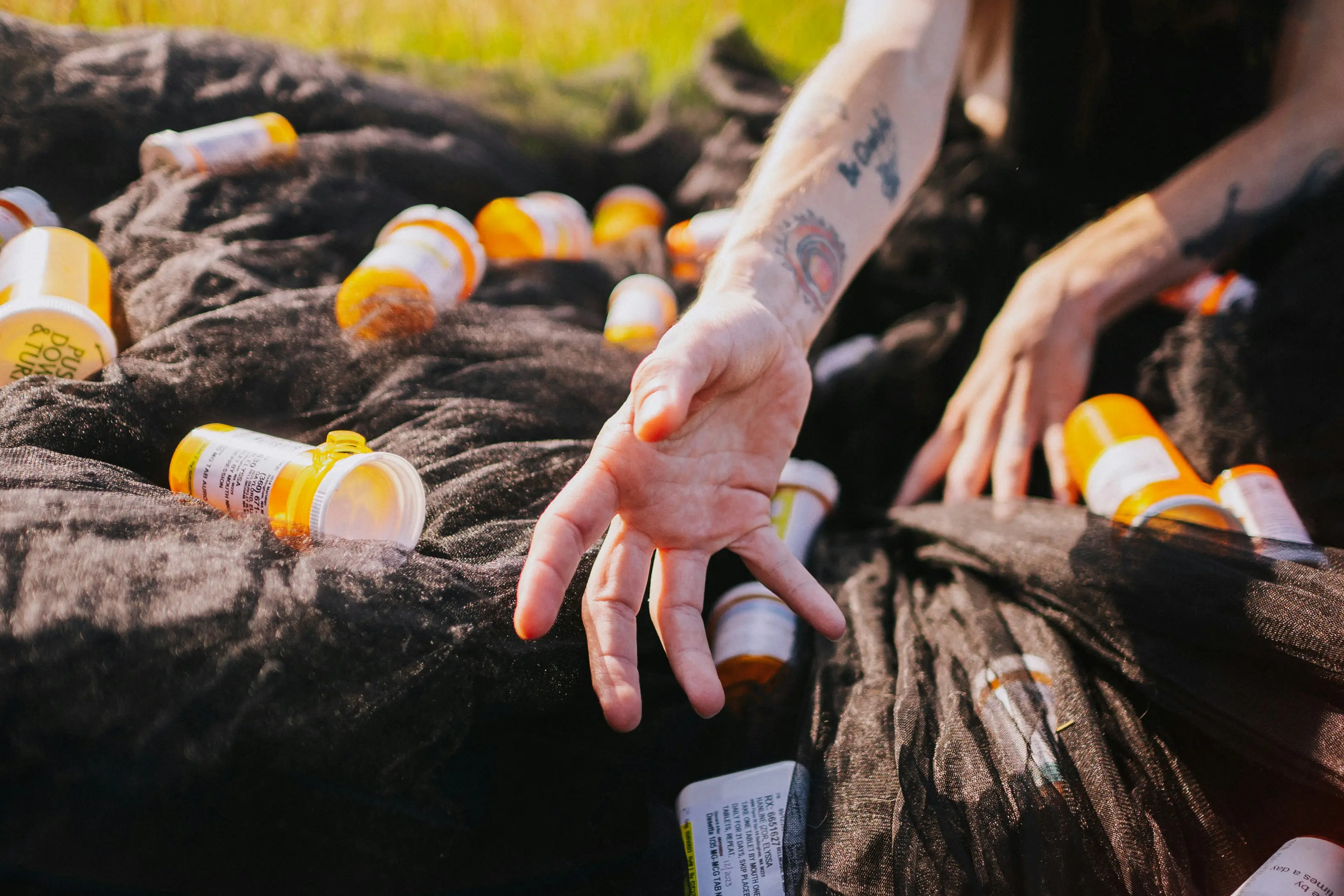
- Dependence on prescription opioids can develop even when the medicine is taken exactly as prescribed. That is pharmacology, not moral failing, or weakness.
- Tolerance, dependence, and addiction are three different things, and knowing which one you are describing will help shape your treatment options and approaches.
- Don't stop a prescribed opioid abruptly on your own. People who are physically dependent need medical support to withdraw safely and effectively.
- Withdrawal is rarely fatal by itself. The danger is dehydration and the drop in tolerance that follows it.
- Turning Point provides medically monitored detox in Paterson, with residential treatment in the same building.
The short answer
Where can I get treatment for prescription painkiller addiction in New Jersey?
Turning Point provides medically monitored opioid detox and residential treatment in Paterson, New Jersey, including medication assisted treatment for dependence on prescription pain medication. We're a nonprofit and a Medicaid Presumptive Eligibility certified facility, and we take most major insurance. Our admissions team will assess your needs, share options, and guide your decision making on the first call.
Tolerance, dependence, addiction: three different things.
Prescription opioids like oxycodone, hydrocodone, morphine, codeine and fentanyl treat moderate to severe pain. When taken for a short time as prescribed, they are generally safe (NIDA). Taken over a long period, even exactly as directed, they change how the body works. The following terms are often used interchangeably when talking about opioid use, but they mean different things.
- Tolerance: The same dose does less than it did, so it takes more, or more often, to get the same relief.
- Dependence: Your nervous system has adapted to the drug in your body systems, so its absence causes physical withdrawal. Plenty of people managing chronic pain are dependent on a prescription medication that they take as indicated, and therefore a medically monitored withdrawal is highly recommended
- Addiction: Compulsive use continues despite the harm or consequences it causes. Addiction involves dependence and typically significant and continued negative consequences.
Are you taking prescription pain medications in a way or a dose other than prescribed, have a chronic fear of running out, taking someone else's, breaking the law to get more, or taking it for the effect rather than the pain? Any of those is worth a phone call.
The line between pills and everything else.
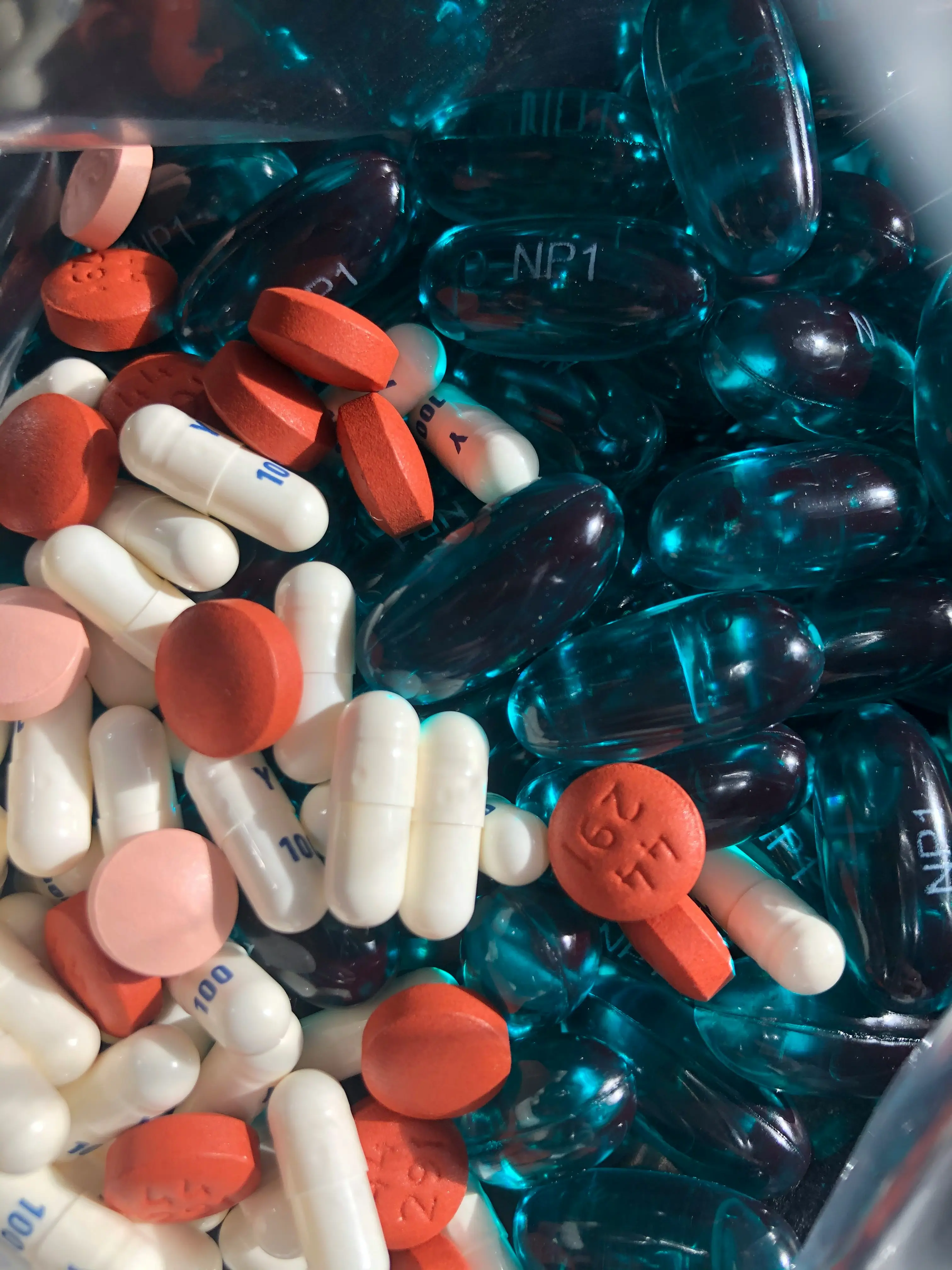
Prescription opioids and heroin are chemically similar and produce a similar effect, and in some places, heroin is cheaper and easier to get. As such, people regularly move from one to the other (NIDA).
The sharper risk today is that pills bought outside a pharmacy often counterfeit tablets pressed to look like Percocet, OxyContin, or anxiety medications, and they frequently contain illegally made fentanyl, sometimes in fatal amounts, with no way of assessing their potency.
Stopping pain medication on your own is dangerous.
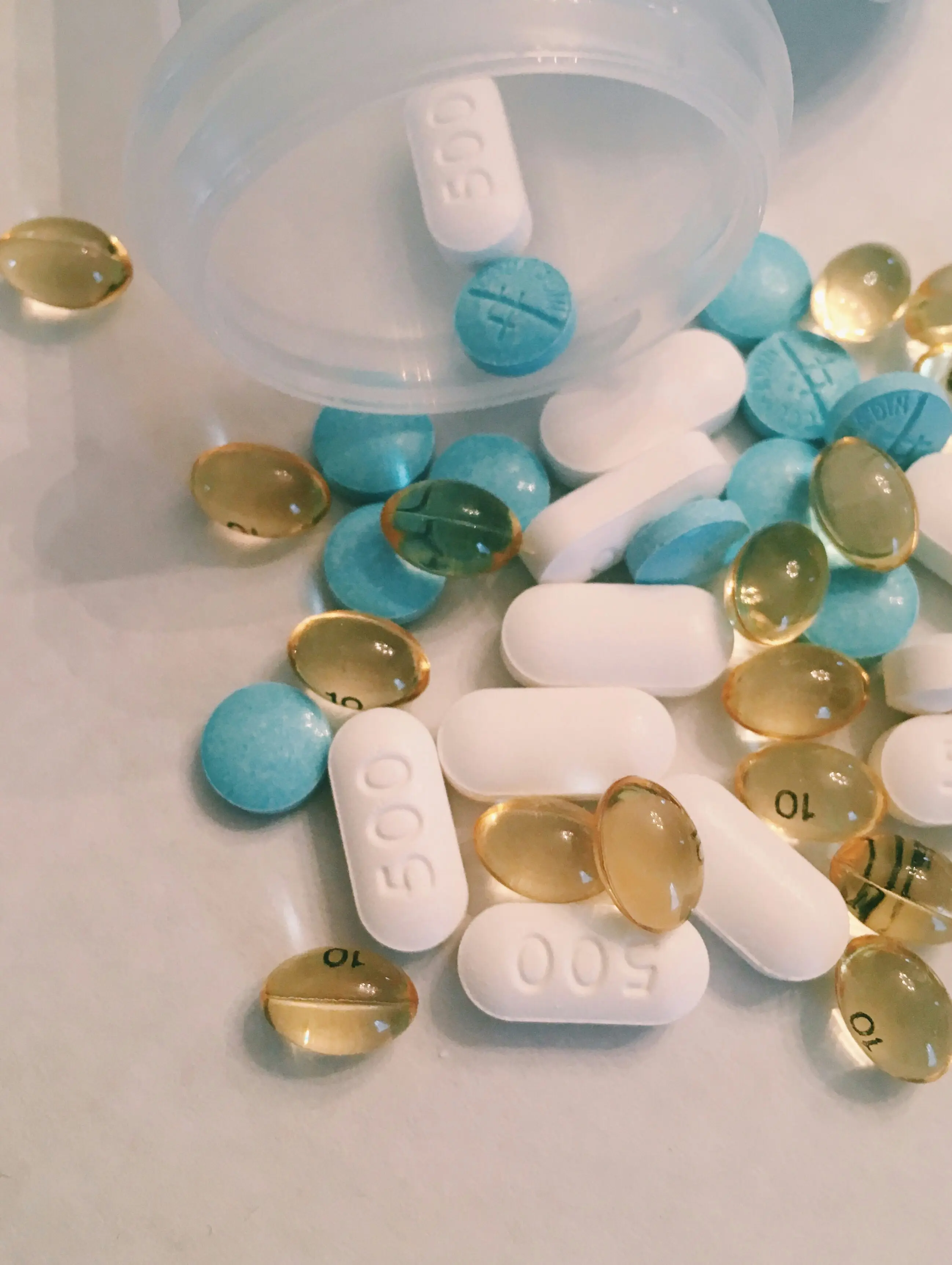
Opioid withdrawal usually begins eight to twenty-four hours after the last dose of a short-acting opioid, and the acute phase runs for about four to 10 days. Longer acting medications start later and stretch out further. It is often described as severe flu significant agitation, including aching muscles and bones, cramps, nausea, sweating, goosebumps, restlessness, and insomnia.
Opioid withdrawal is rarely life threatening on its own, unlike alcohol or benzodiazepine withdrawal. What makes it dangerous in practice is dehydration from days of vomiting and diarrhea, and the drop in tolerance afterwards and the unp
If you're taking a prescribed opioid, don't stop abruptly on your own. People who are physically dependent need medical support to come off safely.

What treatment looks like at Turning Point.
Medically monitored detox
Usually, the first step is 24/7 medically monitored detox. A variety of medications are used to ease your withdrawal symptoms. Every patient is treated individually to ensure a tailored and more effective approach addresses your unique profile. During the detox process, the drugs and alcohol leave your system, preparing you for the next stage in your recovery journey, most typically a transfer to our residential programs. All of our programs are located in our Paterson facility, so internal transfer is seamless.
Medication-assisted treatment (MAT)
Turning Point uses all forms of MAT: methadone, buprenorphine (Subs and injectables), and naltrexone are the most common approved options, each working through different routes. Two reduce cravings and withdrawal by acting on the same receptors, and one blocks the effect entirely (SAMHSA). We will work with you and assess your use and treatment history and make the appropriate recommendation that fits your profile.
Residential treatment
During residential treatment, Turning Point works with you to assess your behaviors, decision making, life skills, family relations and thought processes that led to your substance use. You live onsite and receive structured, around-the-clock support to begin to address your substance abuse, and in parallel your mental health or medical issues requiring further stabilization. Short-term is typically 2–4 weeks and long-term is typically 3–6 months.
Co-occurring disorders and medical stability
While you are in residential treatment, Turning Point will assess you from a mental and physical health perspective to determine the severity and treatment necessary for any disorders that may interfere with your sobriety. These will be built into your treatment plan and addressed accordingly.

Request a callback
A safer way to come off them.
Dependence can develop even when you took them exactly as prescribed, and there's no judgment here about how it started. Leave your details and our admissions team will call you back to talk through a safe way to stop.
Covered more often than people expect.
We're a nonprofit and a Medicaid Presumptive Eligibility certified facility. We'll check your coverage for free, while you're on the phone, before you commit to anything.
Prescription painkiller questions.
I only ever took what I was prescribed. Can I still be dependent?
Yes. Long term use of prescription opioids can cause tolerance and physical dependence even when the medicine is taken exactly as directed. and therefore, withdrawal still requires medical support.
Can I just taper myself off at home?
Stopping abruptly or cutting down too fast is dangerous, and the withdrawal that follows is highly unpleasant physically, and leads one to secure more highly unpredictable street drugs “to ease the pain.”
What about the pain I was taking them for?
Tell our clinical team about it during your assessment and they will build it into your treatment and aftercare plan.
How long does withdrawal from painkillers last?
For short acting opioids, symptoms usually begin eight to 24 hours after the last dose and the acute phase runs about four to 10 days. Longer acting medications start later and last longer. Sleep and mood often take weeks more to settle. Typical detox protocols last between 5 and 10 days.
Will my doctor find out I called you?
Not unless you want them to. Addiction treatment records are protected under 42 CFR Part 2, which is stricter than HIPAA. Sharing information with another clinician is something you authorize, not something that happens automatically.
Do I have to stop before I call?
No. You are not expected, nor should you arrive already detoxed — and you can be at any point in usage to start the conversation. Our admissions team will ask what you've been using, how much and when was your last use, so our clinical team can plan your detox safely and accordingly.
Will my insurance cover this?
Yes. We accept Medicaid and most major insurance. There are state funding options available and even a self-pay sliding-scale option if necessary. Our admissions team checks your coverage for free on the first call.
What if I have tried to quit before?
Coming back is common and it is not a failure. Relapse tells us something useful about what kind of additional support you may require to better support your recovery.
Is this confidential?
Yes. Addiction treatment records are protected under 42 CFR Part 2, which is stricter than HIPAA fully protecting your confidentiality from whomever you choose including your employer or family.

Methadone
What if I am on methadone?
If you are currently using methadone as your MAT option, Turning Point can accommodate you at all levels of care. Suburban Health (a methadone clinic) is co-located in our Paterson location, making admissions and treatment continuity a snap. We are able to detox you off other substances, stabilize your dose and adjust your dose while in residential treatment.
More about methadone treatment →Talk to someone today.
Free, confidential, and without judgment. Admission can begin the same day of your first call in most cases.