
Free · Confidential · Available 24/7
Benzodiazepine help in New Jersey.
If you've been taking Xanax, Klonopin, Ativan, Valium or other “benzos” or other sedatives steadily and uncontrollably and the thought of stopping frightens you or causes you physical or psychological discomfort, we can help. Physical dependence can develop within days to weeks of steady use, suddenly stopping is medically risky so don't stop on your own.
- Medically monitored detox, with medication to manage withdrawal
- Short- and long-term residential treatment and co-occurring disorders treatment
- A long track record of success - we've helped New Jerseyans get sober for 50+ years
- Low to no cost - Medicaid accepted, plus most major insurance
- Compassion and Empathy - No judgment, no pressure, no obligation

Key points
- Physical dependence of benzodiazepines can develop within days to weeks of steady use, even when the medicine is taken exactly as prescribed.
- Stopping abruptly, or cutting down too fast, can cause withdrawal reactions including life-threatening seizures, convulsions, delirium, and psychosis — especially if using high doses.
- Do not stop on your own. Withdrawal is dangerous.
- Taking benzodiazepines with opioids or alcohol sharply raises the risk of overdose and potentially death.
- Turning Point provides medically monitored detox from sedatives at our Paterson facility, with residential treatment in the same building.
The short answer
Where can I get benzodiazepine detox in New Jersey?
Turning Point provides medically monitored detox from sedatives, including benzodiazepines, at our Paterson, New Jersey facility, with a continuum of residential treatment located in the same building. Benzodiazepine withdrawal can be dangerous and should be managed medically rather than attempted alone. Many factors can influence how you can be successfully detoxed from benzos – especially how long you have been taking benzos and dosage. Our admissions team will assess your needs, share options, and guide your decision making on the first call.
How a prescription turns into dependence.
Benzodiazepines are successfully prescribed for anxiety, panic disorder, insomnia, and seizures. Alprazolam (Xanax), clonazepam (Klonopin), lorazepam (Ativan), and diazepam (Valium) are among the most prescribed, and for short-term use, used as prescribed, can represent appropriate treatment.
However, the FDA updated its boxed warning on the whole class in 2020 for a reason: physical dependence can occur when benzodiazepines are taken steadily for several days to weeks, even as prescribed.
If you're taking more than prescribed, taking someone else's prescription, buying them illegally or taking it for the effect rather than the condition and want to stop, then please call us for help. If they are prescribed by your doctor and need to detox, please involve your doctor in this decision making and connect them with our admissions team.
The combination that does most of the harm.
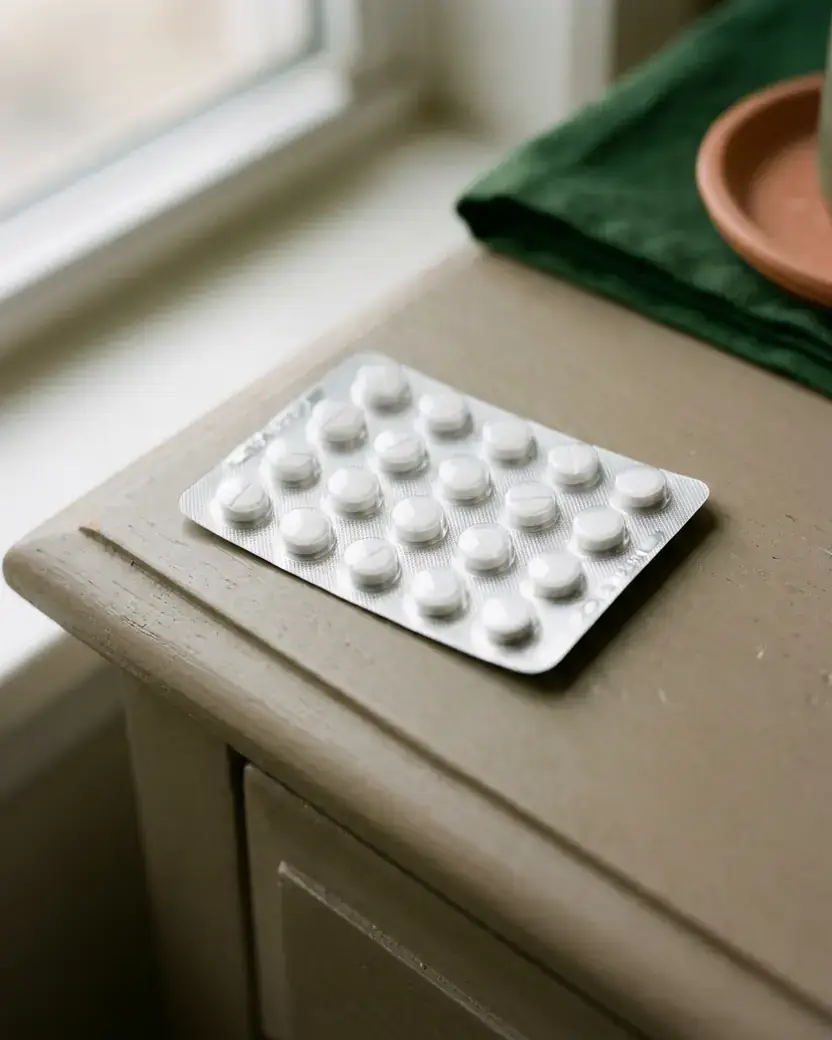
The FDA is clear about the significant harm and danger associated with benzodiazepines are combined with opioid pain relievers, alcohol, and other illicit drugs — abuse and misuse can result in overdose or death. Benzodiazepines and opioids both slow breathing, and together they slow it further than either would alone.
If you are taking benzodiazepines alongside opioids or alcohol, please let our admissions team know during your assessment. We must have a full understanding as to how much and how often you are taking benzos so we can ensure that you receive the appropriate referral to the appropriate level of care. Again, if you are actively prescribed one of these medications and you are dependent, you will need to involve your prescriber to authorize its withdrawal.
Why you should not stop this one on your own.
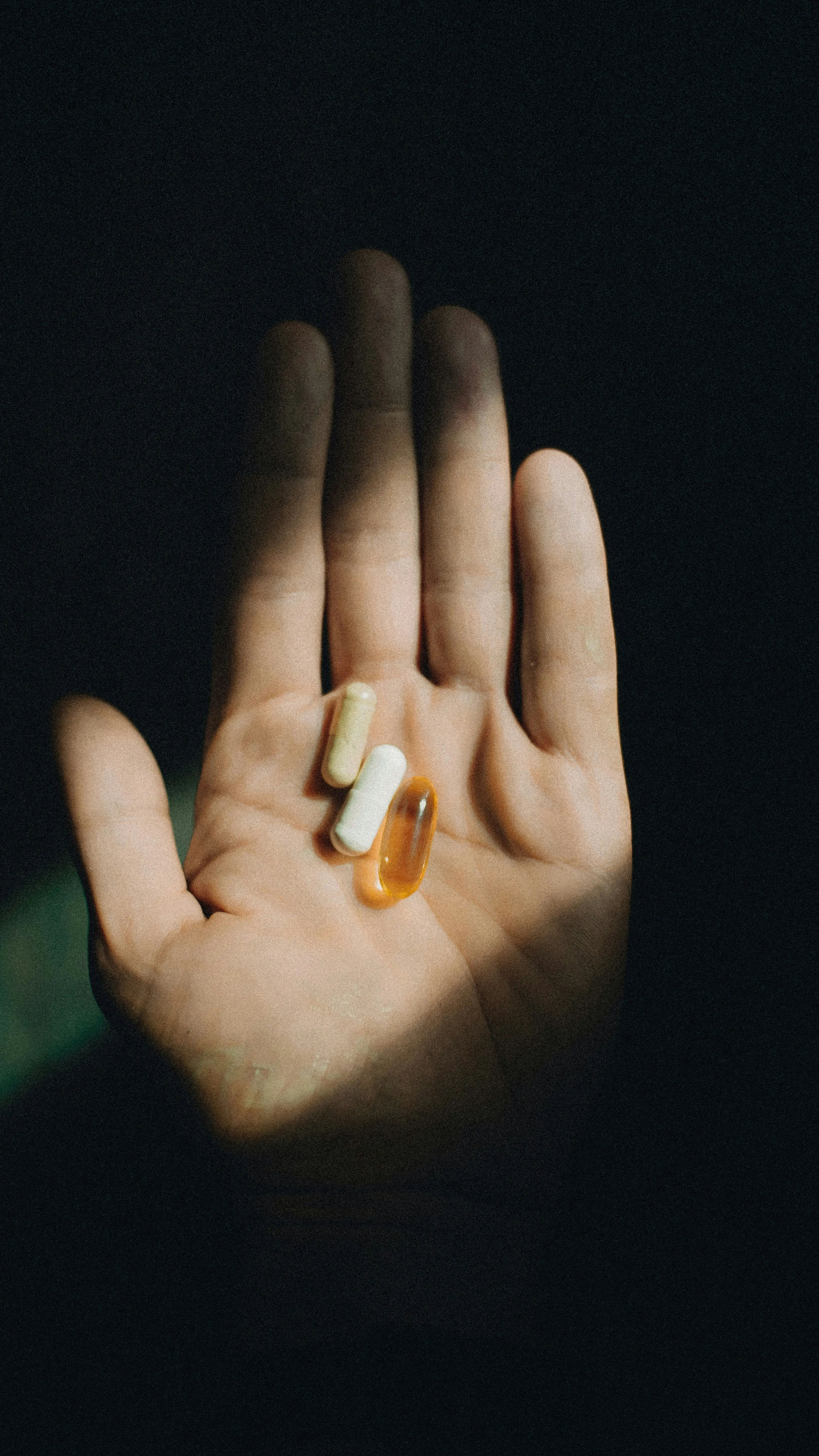
Benzodiazepines belong to the small group of drugs where withdrawal without medical supervision is extremely dangerous.
The FDA states that stopping them abruptly or reducing the dosage too quickly can result in withdrawal reactions, including seizures, convulsions, delirium, and psychosis – especially if using high doses. The simple and safe answer is that withdrawal must be managed under medical supervision.
If someone withdrawing from a benzodiazepine has a seizure, can't be woken, or doesn't know where they are/are disoriented, call 911.

What treatment looks like at Turning Point.
Medically monitored detox
Usually, the first step is 24/7 medically monitored detox. A variety of medications are used to ease your withdrawal symptoms. Every patient is treated individually to ensure a tailored and more effective approach addresses your unique profile. During the detox process, the drugs and alcohol leave your system, preparing you for the next stage in your recovery journey, most typically a transfer to our residential programs. All of our programs are located in our Paterson facility, so internal transfer is seamless.
Residential treatment
During residential treatment, Turning Point works with you to assess your behaviors, decision making, life skills, family relations and thought processes that led to your substance use. You live onsite and receive structured, around-the-clock support to begin to address your substance abuse, and in parallel your mental health or medical issues requiring further stabilization. Short-term is typically 2–4 weeks and long-term is typically 3–6 months.
Co-occurring disorders and medical stability
While you are in residential treatment, Turning Point will assess you from a mental and physical health perspective to determine the severity and treatment necessary for any disorders that may interfere with your sobriety. These will be built into your treatment plan and addressed accordingly.

Request a callback
Coming off safely starts here.
Cutting down too fast can be dangerous, so please don't do it alone. Leave your details and our admissions team will call you back to talk through what you're taking and how detox from sedatives works here. Free and confidential.
Covered more often than people expect.
We're a nonprofit and a Medicaid Presumptive Eligibility certified facility. We'll check your coverage for free, while you're on the phone, before you commit to anything.
Benzodiazepine questions.
Can benzodiazepine withdrawal kill you?
It can. The FDA warns that stopping abruptly or reducing the dose too quickly can cause withdrawal reactions including seizures, convulsions, delirium, and psychosis — especially if using high doses which can be life-threatening and therefore requires medically monitored withdrawal.
I take it exactly as prescribed. Am I dependent?
Possibly. The FDA states that physical dependence can develop within days to weeks of steady use even at recommended doses. Dependence is not the same as addiction, and it still means withdrawal requires medical supervision.
Can I just taper myself down at home?
No. Talk to a prescriber or to Turning Point before making any changes on your own.
Do you detox from benzodiazepines?
Yes. Turning Point provides medically monitored withdrawal management from sedatives, which includes benzodiazepines, at our Paterson facility.
What about my anxiety when the medication stops?
It's a real condition and it needs a real plan. Bring it up in the assessment. We provide care for co-occurring mental health conditions alongside treatment, because treating one and ignoring the other rarely holds.
I am taking benzos and opioids. Does that change things?
Yes, and you must disclose this during your assessment. Using the two together can complicate your detox as the withdrawal from each is managed differently.
Will my insurance cover benzodiazepine detox?
Yes. We accept Medicaid and most major insurances; there are state funding options available and even a self-pay sliding-scale option if necessary. Our admissions team checks your coverage for free on the first call.
Is this confidential?
Yes. Addiction treatment records are protected under 42 CFR Part 2, which is stricter than HIPAA fully protecting your confidentiality from whomever you choose including your employer or family.
Do not do this part on your own.
Free, confidential, and without judgment. Call and tell us what you are taking, and our admissions team will talk you through how it can be managed safely.